
A step-by-step look at the process reduces anxiety and shows the value of having a local agent.

Picture this: it’s a snowy morning on Eisenhower Boulevard, traffic stops short, and the car behind you doesn’t. Or a Front Range hailstorm rolls through and leaves your roof, and your car, looking like a golf ball.
In moments like these, it’s natural to feel overwhelmed. Most people only file a handful of insurance claims in their lifetime, so not knowing what to expect is completely normal.
The good news: the claims process follows a fairly predictable path. Here’s what typically happens, what you can do to make things go smoothly, and how your local agent at Summit Insurance in Loveland can help along the way.
The Claim Process at a Glance
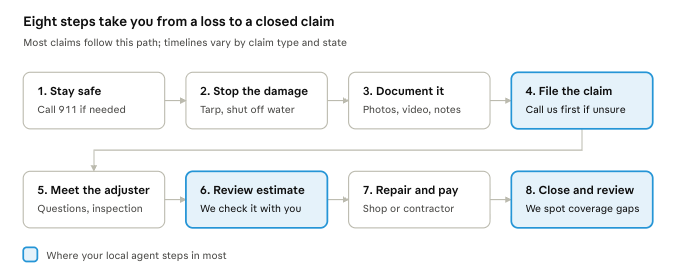
The first three steps happen in the first hours after a loss; the highlighted steps are where a local agent adds the most value.
The 8 Steps, in Detail
Step 1: Make sure everyone is safe
Before thinking about insurance, take care of people. If anyone is hurt, call 911. In a car accident, move to a safe spot if you can, turn on your hazard lights, and call the police if required in your state or if there are injuries or significant damage. At home, if there’s a fire, gas leak, or major water damage, get everyone out and contact emergency services or the utility company.
Your policy can wait a few minutes. Your safety can’t.
Step 2: Prevent further damage
Once everyone is safe, take reasonable steps to keep the damage from getting worse: shut off the water main after a burst pipe, cover a broken window with a tarp, or have your car towed somewhere secure. Most policies expect reasonable action to protect your property after a loss. Keep receipts for emergency repairs or supplies, since these costs may be covered.
💡 Pro tip: Snap a photo of every receipt the moment you get it. It’s far easier than hunting for crumpled paper weeks later.
Step 3: Document everything
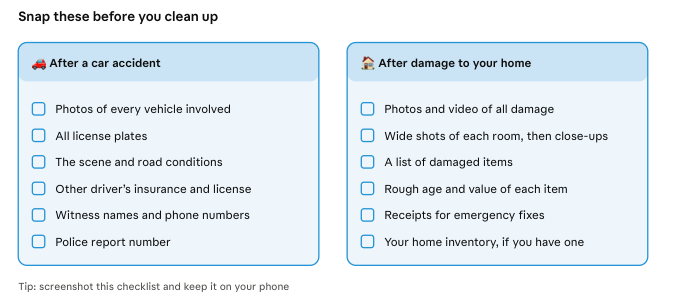
Before you clean up or make permanent repairs, take photos and videos of the damage from several angles.
- Car accidents: photograph all vehicles, license plates, the scene, and road conditions. Exchange names, phone numbers, insurance details, and driver’s license information, and get contact info from any witnesses.
- Home claims: list damaged items with their approximate age and value. If you have a home inventory, this is when it really pays off.
🌨️ Colorado tip: After a big hailstorm, contractors often go door to door. Before you sign anything, give us a call, and never sign over your insurance benefits to a contractor you haven’t checked out.
Step 4: Report the claim
The sooner you report a claim, the sooner the process begins. Allstate customers can typically file online, through the Allstate mobile app, or by phone, and you can always call our office first if you’re not sure where to start.
You’ll usually be asked for your policy number; the date, time, and location of the incident; a description of what happened; and any police report number. You’ll receive a claim number. Write it down, because you’ll reference it throughout.
📞 Save our number now: (970) 667-9133. This is where your local agent comes in. If you’re shaken up or unsure what to say, call us first. We can help you understand your coverage and walk you through filing before you ever talk to an adjuster.
Step 5: Work with your claims adjuster
Your claim is assigned to an adjuster, who reviews what happened and determines what your policy covers. They may ask questions, review your photos, request repair estimates or receipts, or schedule an inspection. Some minor auto claims can be handled with photo-based estimates through the app.
Be honest and thorough, respond promptly, and keep notes of every conversation: the date and who you spoke with.
📝 Pro tip: Start a simple claim log in your phone’s notes app: the date, who you spoke with, and what they told you.
Step 6: Get repair estimates and review the settlement
The adjuster provides an estimate of the covered damage. For auto claims, you may be able to choose your repair shop. Your settlement reflects your coverage and limits, minus your deductible. Depending on your policy, personal property may be paid at actual cash value (which accounts for depreciation) or replacement cost.
If a number doesn’t look right, ask. We’re happy to review the estimate with you and help you raise concerns with your adjuster.
Step 7: Repairs and payment
Once the settlement is agreed, payment is issued, either to you, to a repair shop, or (for home claims with a mortgage) jointly to you and your lender. Timelines vary: a simple auto claim may wrap up in days, while a major home claim can take weeks or months.
Step 8: Close the claim and review your coverage
After repairs and payments are complete, the claim closes. It’s a great time to ask: did my coverage work the way I expected? Many people realize they’d like a lower deductible, higher limits, rental car coverage, or an endorsement they didn’t know about. We’d much rather adjust your coverage now than have you find a gap during your next claim.
📅 Pro tip: Put a yearly coverage review on your calendar. It takes about 20 minutes and is the easiest way to catch gaps before they cost you.
Why a Local Agent Makes a Difference
You can file a claim on your own, and many people do. But when something goes wrong, you shouldn’t have to figure it out alone.
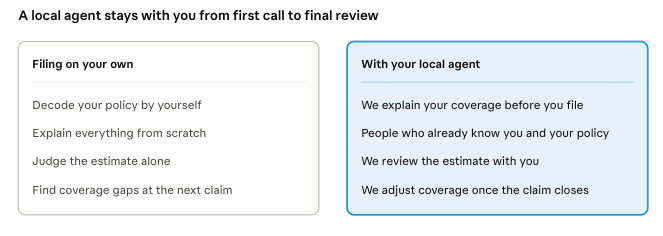
Having a local agent means someone who already knows you, can explain coverage in plain language, helps you navigate questions during the claim, and makes sure your coverage still fits your life once the dust settles.
Have Questions About a Claim or Your Coverage?
Whether you’re in the middle of a claim or just want to be prepared, the team at Summit Insurance is here to help.
Summit Insurance | Allstate Insurance
- Address: 1907 N Boise Ave, Ste 1, Loveland, CO 80538
- Phone: (970) 667-9133
- Website: mysummitinsuranceagency.com
- Book an appointment: Schedule online
- We can help with: auto, home, renters, condo, life, motorcycle, boat, ATV, manufactured home, landlord, personal umbrella, scheduled personal property, and business insurance
This article is for general informational purposes only. Claims processes, coverage, and timelines vary by state, policy, and the circumstances of each loss. Please refer to your policy documents or contact our office for details specific to your coverage.